From the Blog · Glassy Skin Clinic
What Is Re2O Skin Booster and How Is It Different?
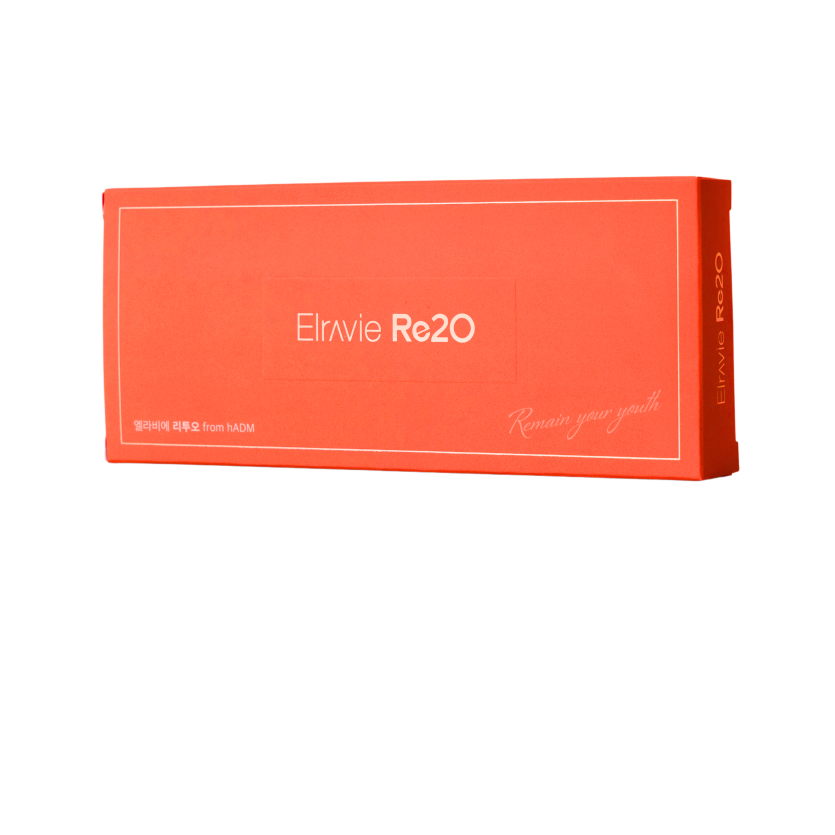
Re2O (Elravie Re2O) is a Korean skin booster made with collagen from human acellular dermal matrix (hADM). It was developed by L&C Bio and is distributed in Korea by Humedix. In Korea it is regulated as a human tissue product rather than as a drug or medical device. Instead of mainly prompting your skin to make collagen, as Juvelook does, Re2O supplies a collagen scaffold directly to the skin. At Glassy Skin Clinic it is delivered as GLT™ Collagen Healer with Re2O.
In this article
What is Re2O?
Re2O (Elravie Re2O) is a Korean skin booster made with collagen from human acellular dermal matrix, or hADM. It was developed by L&C Bio [1] and is distributed in Korea by Humedix. [2] In Korea, Re2O is classified as a human tissue product rather than as a drug or medical device, so it is managed under human tissue rules overseen by the Ministry of Food and Drug Safety (MFDS) instead of going through a separate product approval. [3][4]
Most skin boosters work by prompting your skin to respond: to make more collagen, to hold more water, or to repair itself. Re2O takes a different approach. It delivers a collagen scaffold directly into the skin. [5]
I'm Dr. Judy (Hong Jin Joo), a board-certified dermatologist in Cheongdam, Seoul. Re2O is one of the two options in our GLT™ Collagen Healer program, and patients often ask how it compares with better-known names like Juvelook and Rejuran.
What is human acellular dermal matrix (hADM)?
Dermal matrix is the supporting structure of the skin's middle layer, the dermis. It is made mostly of collagen, along with elastin and glycosaminoglycans. "Acellular" means the cells have been removed during processing, leaving the structural framework. [5]
In simple terms, hADM is donated human skin tissue that has been processed to remove cells, so that mainly the collagen-rich framework remains. [5] L&C Bio has stated that the tissue used for Re2O comes from donors in the United States. [6] In Re2O, this collagen is prepared so it can be injected into the skin as a skin booster.
How does Re2O work?
Think of your dermis as a mesh of collagen that gives skin its thickness and bounce. With age and sun exposure, that mesh thins out. [7]
Re2O places collagen from the dermal matrix into the skin. The idea is to provide a scaffold that supports the dermis, rather than relying only on your skin to build collagen from scratch. [5]
Early research suggests an hADM booster may also encourage your own skin cells to build new collagen. In a small randomized split-face study of 20 adults (the paper did not name a brand), the hADM side showed greater improvement in skin density, elasticity, wrinkles and hydration than the hyaluronic acid side over 20 weeks. [5]
At our clinic, patients usually choose Re2O for:
Re2O vs Juvelook vs Rejuran: how are they different?
All three are used to improve skin quality, but their main ingredients and approaches are different.
| Re2O | Juvelook | Rejuran | |
|---|---|---|---|
| Main ingredient | Collagen from human acellular dermal matrix (hADM) | PDLLA + non-crosslinked hyaluronic acid | PN (polynucleotides) derived from salmon |
| Made by | L&C Bio (distributed by Humedix) | VAIM | PharmaResearch |
| Main approach | Supplies a collagen scaffold | Stimulates your skin to build its own collagen | Supports the skin's repair environment |
| Our program | GLT™ Collagen Healer with Re2O | GLT™ Collagen Healer with Juvelook | Skin booster |
None of these is simply "better" than the others. They work differently, and the right choice depends on your skin thickness, your main concern and your schedule. Some patients combine approaches over time.
How we do Re2O at Glassy Skin Clinic
At our clinic, Re2O is delivered as GLT™ Collagen Healer with Re2O, using GLT™ (Gentle Layered Treatment), our clinic's own layered treatment method.
You can read more on our Re2O treatment page.
How many Re2O sessions will I need?
| At our clinic | |
|---|---|
| Typical number of sessions | 3 sessions, 1 month apart, in a 2026 clinical trial; in our clinic's experience, even one session a year can make a difference |
| Interval between sessions | 4 weeks |
| When results appear | Early changes often within about 1–4 weeks, in our clinic's experience (varies by person) |
| Visible downtime | No swelling; small red marks from the 9 needles for 1–3 days (up to 1–7 days for sensitive skin), in our clinic's experience |
In a 2026 randomized split-face trial, Re2O (mixed with hyaluronic acid) was given as 3 injections, 1 month apart, and improvements in several skin measures were already seen at the 4-week assessment. [5] At our clinic we recommend spacing sessions 4 weeks apart. In our clinic's experience, early changes are often noticed within about 1 to 4 weeks, and they keep building over the following weeks and months; this varies from person to person. If you can't fit in a full series, that's fine: in our clinic's experience, even one session a year can make a difference.
Your dermatologist will confirm a plan for your skin at consultation.
Who may be a good fit for Re2O?
Re2O may suit you if you have:
If your main concern is lost volume, such as hollow cheeks or under-eyes, a different option such as GLT™ Collagen Volume Lifting may fit better.
Who should not get Re2O?
Re2O may not be right for you if you:
Your dermatologist will review your medical history before treatment.
What are the side effects?
Common and usually temporary:
In our clinic's experience, Re2O doesn't cause swelling, because the product is placed very close to the skin surface. The Hycoox injector has 9 fine needles, so you may see small red marks for 1–3 days (up to 1–7 days if you have sensitive skin). In the 2026 study described above, mild reactions settled on their own, and no serious adverse events were reported. [5]
As with any injectable, allergic reactions and infection are possible but uncommon. Your dermatologist will go through the risks that apply to you.
Planning Re2O around a trip to Seoul
Watch & learn
Videos from Glassy Skin Clinic
Your questions
FAQ
Frequently asked questions
What is Re2O made of?
Re2O (Elravie Re2O) is made with collagen from human acellular dermal matrix (hADM). It was developed by L&C Bio and is distributed in Korea by Humedix.
How is Re2O regulated in Korea?
In Korea, Re2O is classified as a human tissue product, not as a drug or medical device. It is managed under Korea's human tissue rules, with oversight by the Ministry of Food and Drug Safety (MFDS), rather than through a separate product approval. Your dermatologist can explain what this means for you.
What is the difference between Re2O and Juvelook?
Juvelook mainly stimulates your skin to build its own collagen over time. Re2O supplies a collagen scaffold directly to the skin. They work differently, and your dermatologist will suggest which suits your skin.
What is the difference between Re2O and Rejuran?
Rejuran is based on PN (polynucleotides) derived from salmon. Re2O is based on collagen from human acellular dermal matrix. Both are skin boosters, but their main ingredients are different.
How many Re2O sessions will I need?
In a 2026 clinical trial, Re2O was given as 3 injections, 1 month apart. At our clinic we recommend spacing sessions 4 weeks apart, and in our clinic's experience, even one session a year can make a difference. Early changes are often noticed within about 1 to 4 weeks, though this varies from person to person. Your dermatologist will confirm a plan for your skin at consultation.

Written & medically reviewed by
Dr. Judy Hong Jin Joo, MD
Written and medically reviewed by Dr. Judy Hong Jin Joo, MD, board-certified dermatologist (Korea) and Founder & Medical Director of Glassy Skin Clinic. She trained in dermatology at Seoul St. Mary's Hospital, The Catholic University of Korea. She is the first author of a randomized clinical trial on hyaluronic acid filler published in Plastic and Reconstructive Surgery, 2016;137(3):799–808.
Continue exploring
Related articles & treatments
Related treatments3
Articles & guides2
Related reading
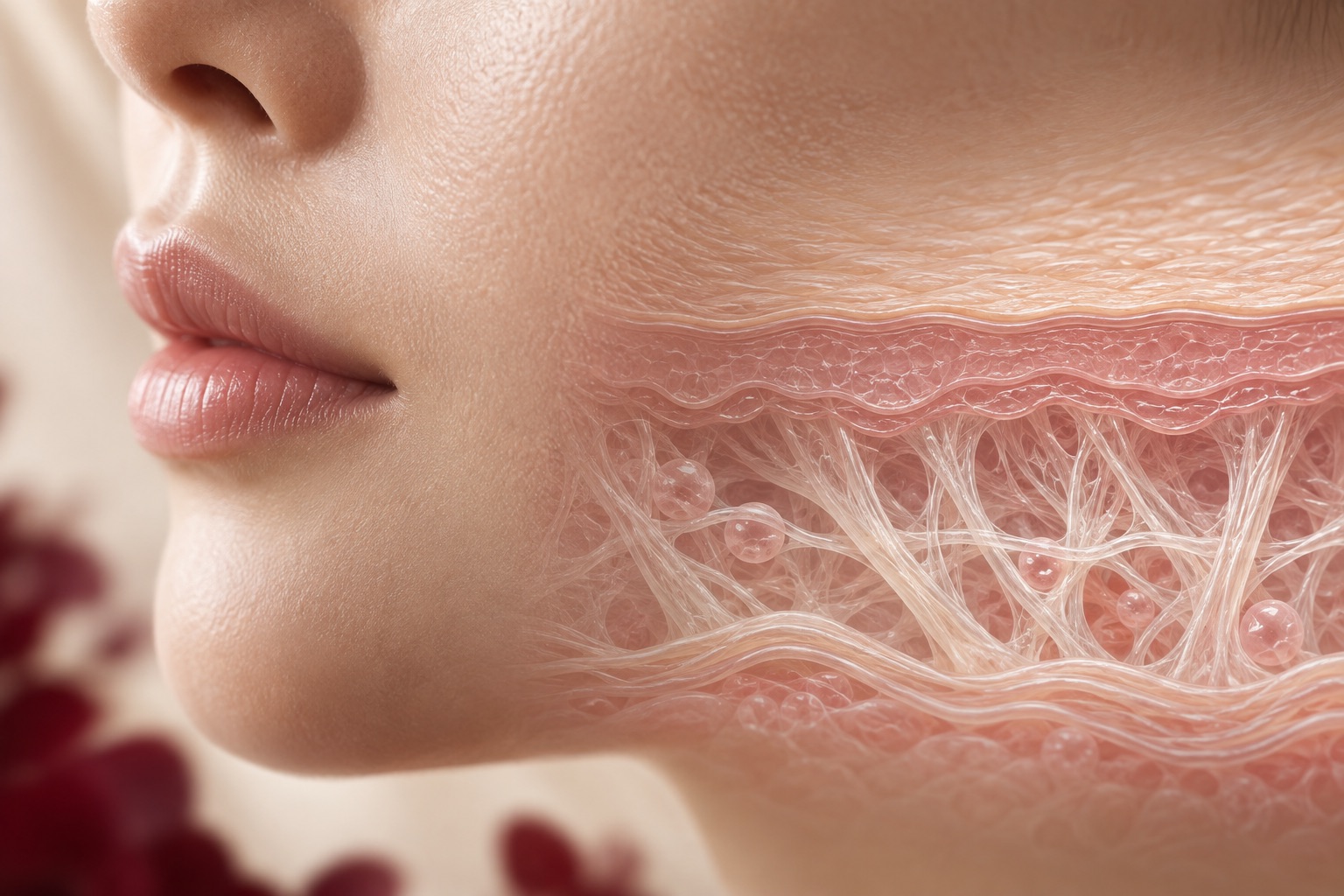
What Is Juvelook? A Dermatologist in Seoul Explains
Juvelook is a Korean collagen-stimulating injectable made of PDLLA (poly-D,L-lactic acid) and non-crosslinked hyaluronic acid.
Read the guide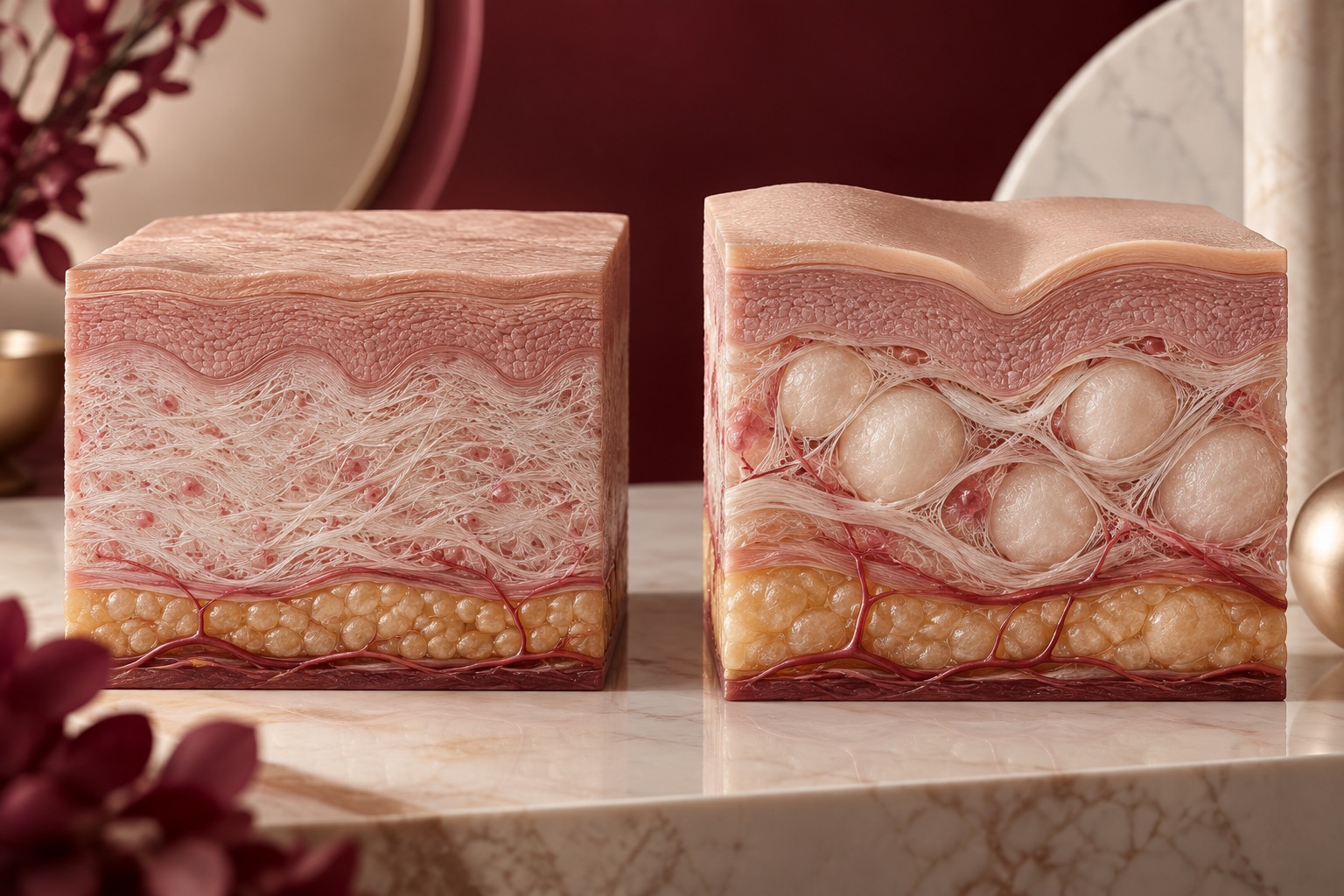
Juvelook vs Juvelook Volume: What's the Difference and Which One Do You Need?
Juvelook and Juvelook Volume use the same collagen-stimulating ingredient (PDLLA with hyaluronic acid) but do different jobs.
Read the guide