From the Blog · Glassy Skin Clinic
What Is Juvelook? A Dermatologist in Seoul Explains
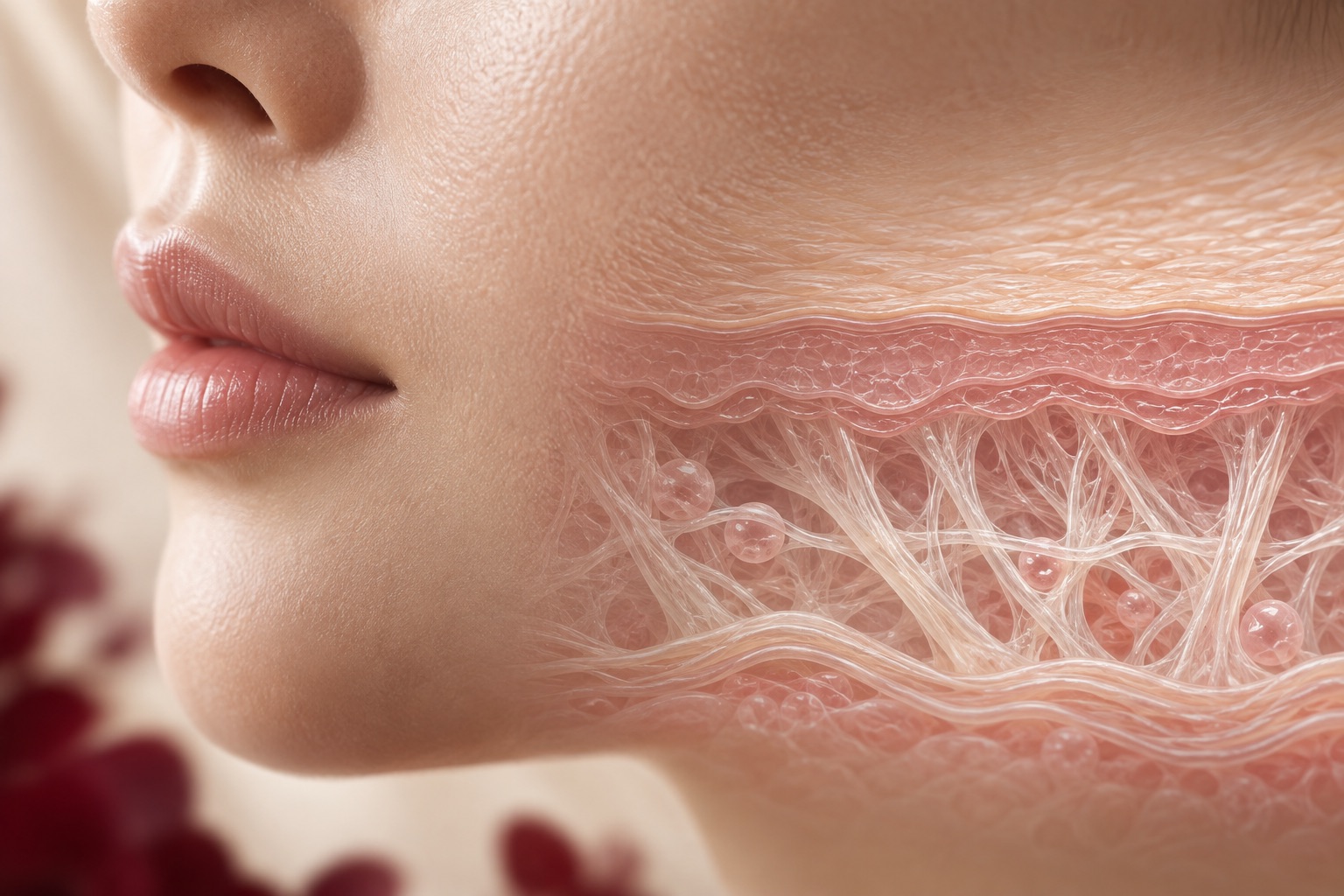
Juvelook is a Korean collagen-stimulating injectable made of PDLLA (poly-D,L-lactic acid) and non-crosslinked hyaluronic acid. Rather than filling a line directly, it encourages your skin to build its own collagen over the following months. Juvelook is used for skin quality; Juvelook Volume is the version used to restore lost volume. It is approved in Korea but not FDA-approved in the US.
The products
Juvelook products, up close
Juvelook and Juvelook Volume are different products. Here are the labelled vials shown on the manufacturer’s official website.
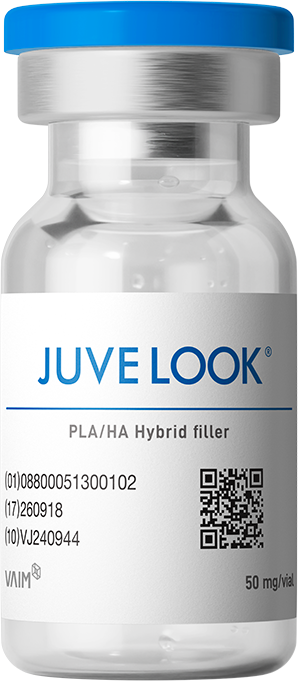
Juvelook
50 mg vial · Blue cap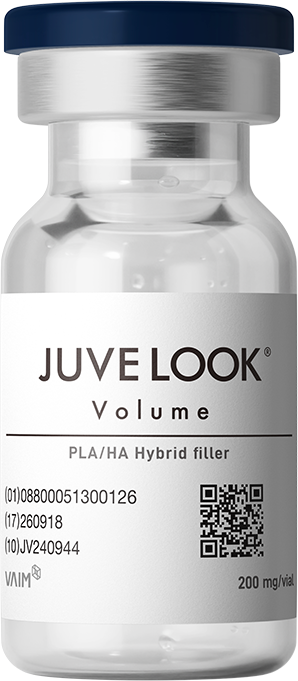
Juvelook Volume
200 mg vial · Dark navy capProduct images: Vaim / JUVELOOK official product page.
In this article
What is Juvelook?
Juvelook is a collagen-stimulating injectable developed in Korea by Vaim. [1][2] It combines two ingredients:
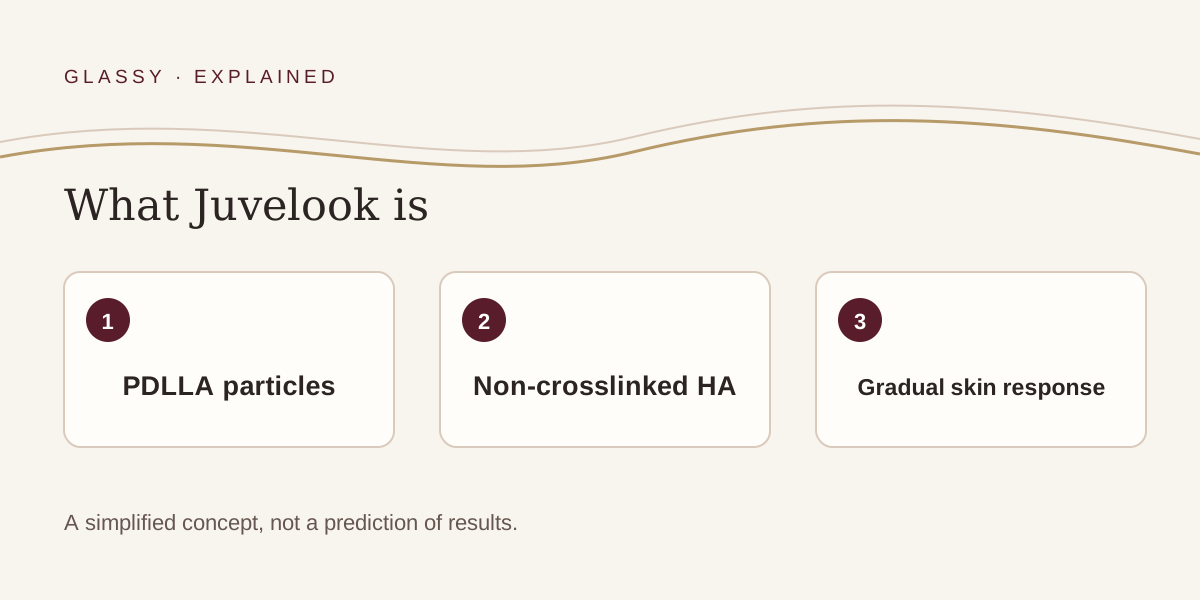
Most people choose it to improve skin quality: fine lines, rough texture and thin, crepey skin. For the full treatment overview, see our Juvelook treatment page.
Is Juvelook a filler?
Not in the usual sense. A classic filler is a crosslinked gel that fills a line or hollow right away. Juvelook's hyaluronic acid is non-crosslinked, so it doesn't act as a lasting gel filler. [4] The main effect comes from the collagen your own skin builds in the weeks and months after treatment. [3] That's why Juvelook is usually called a collagen stimulator rather than a filler.
How does it work, in brief?
When PDLLA particles are placed in the skin, the body responds by gradually forming new collagen around them. [5] Over time, the particles are broken down and absorbed, while the new collagen remains. [2] So results build gradually rather than appearing overnight.
For the science, including what the research does and doesn't show yet, read how Juvelook builds collagen.
Juvelook or Juvelook Volume?
Juvelook improves skin quality; Juvelook Volume restores lost volume.
Compare them side by side in Juvelook vs Juvelook Volume. If your concern is under the eyes, read under-eye treatment options, because fine lines and hollows need different treatments. People sometimes call Juvelook Volume "the Korean Sculptra"; the two are different products, compared neutrally in Juvelook Volume vs Sculptra. We don't offer Sculptra.
Is Juvelook FDA-approved?
No. Juvelook is not FDA-approved in the United States. It doesn't appear in the FDA's premarket approval database for dermal fillers, and PDLLA is not among the filler materials the FDA lists as approved. [7][8] In Korea, it is approved by the Ministry of Food and Drug Safety (MFDS) as a Class IV medical device, [1] it carries the CE mark in Europe, [2] and it has been approved in other markets, such as Russia. [9] If you live in the US, that's why you may not find it at home.
Who is it for?
Juvelook may suit you if you have:
Juvelook Volume may suit you if you have volume loss, such as under-eye hollows or sunken mid-cheeks. [2]
Safety and side effects in brief
Common side effects are temporary: tenderness, bruising and small bumps at the injection sites. [5] In our clinic's experience, skin-layer Juvelook (GLT™ Collagen Healer) doesn't cause swelling, because the product is placed very close to the skin surface; the Hycoox injector has 9 fine needles, so you may see small red marks for 1–3 days (up to 1–7 days if you have sensitive skin). After Juvelook Volume (GLT™ Collagen Volume Lifting), swelling lasts 3–7 days on average and can last 10–14 days in some people; in our clinic's experience this is part of the normal response as your skin starts building collagen. Bruising is uncommon. Less often, a firm lump (nodule) can form, mainly when product gathers in one spot. [5] Juvelook may not be right for you if you are pregnant or breastfeeding, have an active skin infection in the area, or have an autoimmune condition or take immunosuppressive medication. [5] Tell your dermatologist if you take blood-thinning medication; an expert consensus on PDLLA advises extra caution. [5] For GLT™ Collagen Healer you usually don't need to stop it; for GLT™ Collagen Volume Lifting, see the FAQ on our GLT™ Collagen Volume Lifting page.
Your dermatologist reviews your medical history first. For details, see Juvelook lumps and nodules and the side-effect section of our Juvelook treatment page.
How we do Juvelook at Glassy Skin Clinic
At our clinic, board-certified dermatologists deliver Juvelook with GLT™ (Gentle Layered Treatment), placing it in thin layers at the right depth, without sedation. In our clinic's experience, most patients can wear makeup right after treatment and go back to work the same day. Even one session gives results; how to plan more is covered in how many Juvelook sessions you need.
Where to read next
How much does it cost?
Full-face Juvelook (GLT™ Collagen Healer with Juvelook — Essential, 4 cc) is ₩495,000 per session, or ₩450,000 per session as a 3-session course, including 10% VAT. See all options on our Juvelook price page, and read why Juvelook prices vary in Seoul.
Your questions
FAQ
Frequently asked questions
Is Juvelook a filler?
Not in the usual sense. Juvelook is a collagen stimulator. Its hyaluronic acid is non-crosslinked, so it doesn't act as a lasting gel filler. The main effect comes from the collagen your own skin builds over the following months.
Is Juvelook FDA-approved?
No. Juvelook is not FDA-approved in the United States. It is approved in Korea as a medical device and carries the CE mark in Europe, so you may not find it in the US.
What is the difference between Juvelook and Juvelook Volume?
Juvelook improves skin quality, such as fine lines and texture. Juvelook Volume (exported as Lenisna) restores lost volume, such as under-eye hollows and sunken mid-cheeks. At our clinic, they are two programs: GLT™ Collagen Healer with Juvelook and GLT™ Collagen Volume Lifting with Juvelook Volume.
How many Juvelook sessions do I need?
Even one session gives results. For the fullest result, sessions are repeated 1 to 3 months apart, as the manufacturer recommends. Our sessions guide explains how to plan them around trips to Seoul.
How much does Juvelook cost in Seoul?
Full-face Juvelook (GLT™ Collagen Healer with Juvelook — Essential, 4 cc) is ₩495,000 per session, or ₩450,000 per session as a 3-session course, including 10% VAT. Other options are on our Juvelook price page.

Written & medically reviewed by
Dr. Judy Hong Jin Joo, MD
Written and medically reviewed by Dr. Judy Hong Jin Joo, MD, board-certified dermatologist (Korea) and Founder & Medical Director of Glassy Skin Clinic. She trained in dermatology at Seoul St. Mary's Hospital, The Catholic University of Korea. She is the first author of a randomized clinical trial on hyaluronic acid filler published in Plastic and Reconstructive Surgery, 2016;137(3):799–808.
Continue exploring
Related articles & treatments
Related treatments2
Articles & guides2
Related reading
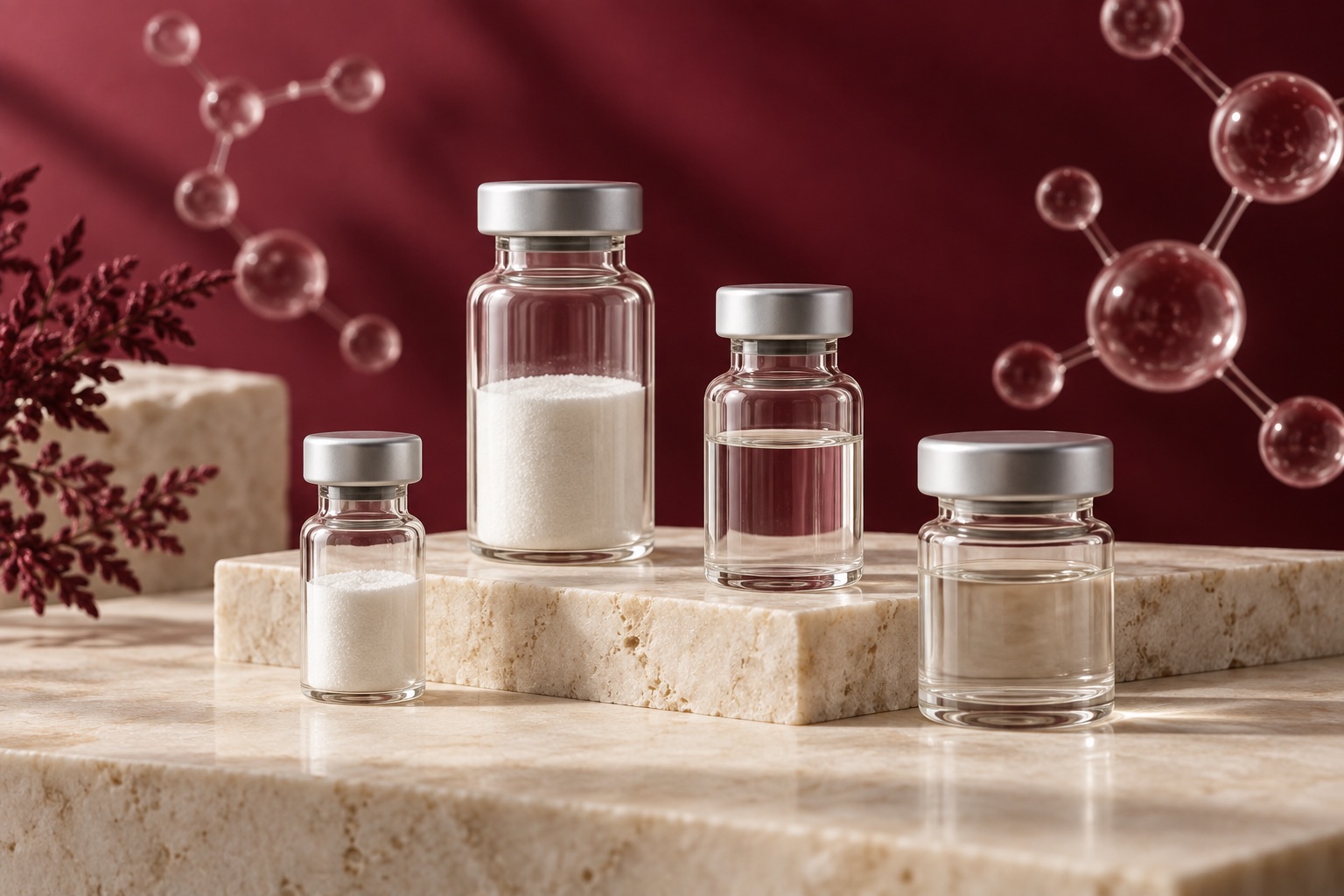
Juvelook Products Explained: i, Skin, Juvelook, Volume, G and Shine
Juvelook is a family of PDLLA + hyaluronic acid collagen stimulators made by Vaim in Korea.
Read the guide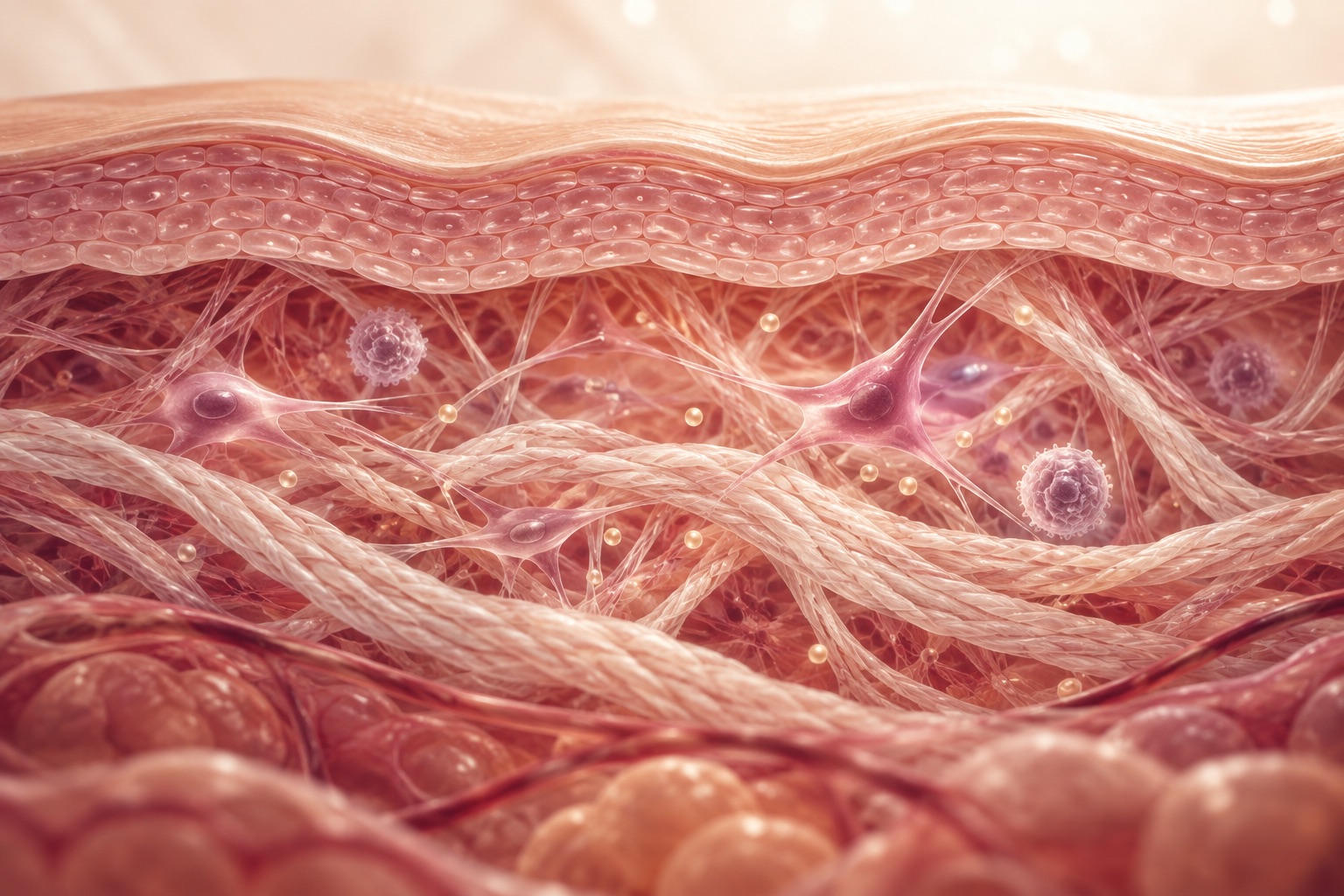
How Does Juvelook Build Collagen? The Repair-Cell (M2) Pathway, Simply Explained
Juvelook's PDLLA particles set off a controlled response in the skin in which repair-type (M2) immune cells play a central role.
Read the guide